Nun der 2. Teil meiner Erfahrungen am MIT.
Nachdem ich nun endlich in Boston angekommen bin, wurde es auch Zeit einen Unterschlupf zu suchen.
Da ich vorübergehend nur eine temporäre Bleibe im Eastgate Building
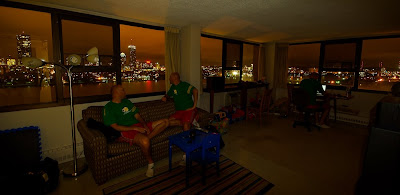
, einem der vielen MIT Studentenwohnheime, hatte, war die erste Woche ausschließlich dadurch bestimmt fieberhaft eine Wohngelegenheit für die kommenden sechseinhalb Monate zu organisieren. Nach unzähligen Telefonaten und später dann auch viewings konnte ich einen geeigneten Unterschlupf mitten am Central Square in Cambridge finden. Der Central Square liegt praktisch genau zwischen MIT und Harvard und damit exakt 16 Minuten flotten Fußmarsch vom MIT Media Lab entfernt, welches wiederum am östlichen Ende des MIT Campus liegt. Ich teilte die stilvoll eingerichtete Wohnung mit einem überaus freundlichen, sympathischen und zum Glück auch technikbegeisterten Musiker, Eishockeytrainer und Informatiker. Das hat ja dann schon mal gut geklappt dachte ich mir, nachdem ich schon Bedenken hatte noch etwas Geeignetes und vor allem Erschwingliches zu finden. Wobei erschwinglich ist in Cambridge ein relativer Begriff, wie ich schnell feststellen musste. Die Miete in Höhe von 967 US Dollar verschlang gleichmal einen Großteil meines zuvor penibel genau durchgerechneten und mathematisch bewiesenen Budgets.
Mitte August ging es dann los. Mein erster Arbeitstag hatte damit begonnen, beziehungsweise zog sich das über eine Woche lang hin, dass ich mich um Organisatorisches kümmern musste.
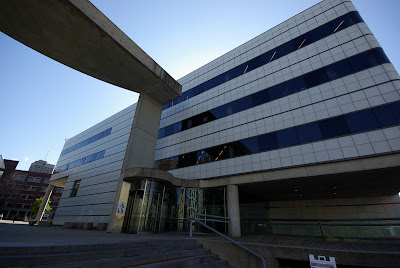
Das Abschließen einer verpflichtenden Krankenversicherung (nicht ganz billig), die Beantragung einer Sozialversicherungsnummer, bis hin zur Anmeldung am SEVIS, der Datenbank der Homeland Security, sind nur einige Schritte die bei einem Auslandspraktikum in den USA notwendig werden. Auf der anderen Seite bietet das MIT Neuankömmlingen ein durchaus ausgewachsenes Willkommensprogamm an, bei dem man sowohl ortsübliche Gepflogenheiten als auch viele andere Studenten kennen lernen kann. Doch zurück zu meinem Arbeitsplatz, denn ich kam ja nicht wirklich zum Studieren ans MIT, sondern vielmehr um zu forschen. Aber wenn man es genau nimmt, ist der Wissenschaftler während des Forschens auch immer ständig am Studieren. Übrigens die Studenten am Media Lab sind zwar Master- und PhD Studenten, doch sind sie auch gleichzeitig Research Assistents. Den Sponsoren sei Dank, dass die sonst schwindelerregend hohen Studiengebühren aller Media Lab Studenten gedeckt sind. Darüber hinaus bekommt ein Media Labber auch ein monatliches Grundgehalt mit dem sich gut auskommen lässt. Doch ganz umsonst ist das natürlich nicht, die Doppelbelastung durch Studium um Forschung resultiert in einem Daueraufenthalt am Labor, nicht weil man muss, sondern weil man Freude hat an dem was man tut und sich kaum einer vorstellen könnte es gäbe was Schöneres.
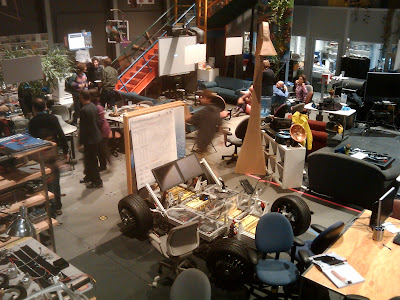 Okay das war jetzt etwas übertrieben, doch merkt man in diesem Arbeitsumfeld deutlich, dass jeder riesen Spaß hat, voller Motivation ist und eine gehörige Portion Erfindermentalität mitbringt. Das Motto des Media Labs, „A place where the future is lived, not imagined“, trifft den Nagel meiner Ansicht nach genau auf dem Kopf.
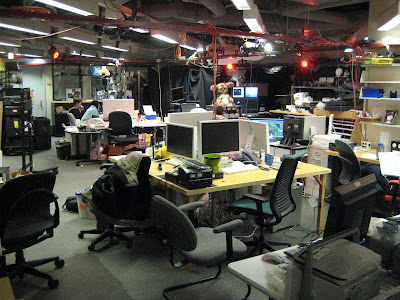
Nun muss ich nochmal das Thema Sponsoren ins Gespräch einflechten, denn die Sponsoren nehmen eine wichtige Rolle am Media Lab ein. Sie bestimmen zwar nicht, an was man zu forschen hat, aber sie nehmen zwangsläufig indirekten Einfluss auf die Arbeitsweise und die Zeitplanung. Woher kommt das? Zweimal im Jahr veranstaltet das Media Lab eine Sponsorweek, zu der alle Sponsoren eingeladen sind um sich über den Stand der Dinge zu informieren und zu sehen an was am Media Lab gearbeitet wird. Das ganze Haus ist zu dieser Zeit auf Demo. Das heißt wenn man irgendwelche Projekte am Laufen hat dann sollte man sie zu diesem Zeitpunkt auch präsentieren können. Am besten auf Hochglanz poliert und auf dem silbernen Präsentationsteller serviert. Kurzüberblick, ich kam Mitte August ans Lab und Mitte September war dann auch schon eine der halbjährlichen Sponsorentreffen. Für mich hieß es dann ich müsse unbedingt bis dahin etwas Vorzeigbares entwickeln. Na toll, dahin waren erst mal meine Zeitpläne. Ich dachte mir für was hab ich einen Projektplan erstellt wenn dann sowieso alles wieder umgeschmissen wird. Jedoch nicht resignierend, sondern kämpferisch machte ich mich ans Werk um schnellst möglich einen Prototypen zu konstruieren der die Fähigkeiten meines Projektes eindrucksvoll darstellt. Projektpläne haben zu diesem Zeitpunkt keinen mehr interessiert, Hauptsache es ist fertig wenn die Sponsoren zu Besuch kommen. Also schwenkte ich von meinem sorgfältig ausgearbeiteten Entwicklungsprozess hin zum Rapid Prototyping.
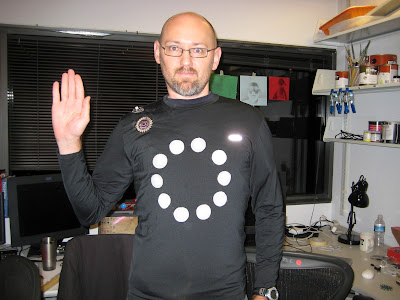
Mein Ziel war klar, in vier Wochen muss ich irgendwie eine Demoanwendung parat haben. Ich entschied mich, da ich sowieso eine Machbarkeitsanalyse vor hatte, zuerst mal einen Prototyp zu entwickeln der zeigt wie man ein Smartphone mit ungewöhnlichen Dingen verbinden kann um daraus neuartige Benutzerschnittstellen zu schaffen. Heraus kam ein T-Shirt an welchem ich an der Vorderseite zehn LED Pads kreisförmig angebracht hatte. Dieses kreisförmige Symbol diente mir nun dazu verschiedene Zustände des Handys anzuzeigen. So fingen die LEDs an zu blinken sobald ein Anruf reinkam oder zirkulierten im Kreis wenn man gerade telefonierte. Sowohl Batteriestand als auch die Himmelsrichtung in der sich das T-Shirt dreht konnten am leuchtenden Kreissymbol abgelesen werden. Die Umsetzung klingt ganz einfach, das Handy kommuniziert über Bluetooth mit einem Mikrocontroller, welcher an das T-Shirt angenäht ist und die LEDs ansteuert die ebenfalls angenäht sind. Batterie, Mikrokontroller und Bluetooth Modul angenäht und die Leiterbahnen zwischen den elektronischen Teilen mittels leitendem Stoff sowie stromleitendem Nähfaden verbunden. Während der Sponsorweek trug ich das T-Shirt dann selbst und war somit ein wandelndes Demoprojekt, was dem Feedback zu urteilen gut ankam.
Mit dem T-Shirt Projekt hatte ich
natürlich die nötige Erfahrung sammeln können um im Anschluss an die Sponsorweek mit großer Übersicht und in aller Ruhe die Entwicklung meines eigentlichen Projektes anzugehen. Wenn da nicht die Demos wären. Es ist schwer sich durchgängig auf sein Projekt zu konzentrieren, da von einem Mitarbeiter auch noch zusätzliche Aufgaben zu erfüllen sind. Neben dem gemeinsamen Gruppenforschungsprojekt an dem alle Mitglieder der Forschungsgruppe arbeiten, gibt es auch die meist sehr kurzfristig anberaumten Demos. Demos sind praktisch wie Sponsorweek nur kleiner und aus Sicht der Sponsoren fokussierter. Delegationen der Sponsoren oder auch prospektive Sponsoren wandeln durchs Haus und wollen von der Innovationskraft der einzelnen Gruppen überzeugt werden. Hierzu präsentiert man so alles Aufregende an dem in der Gruppe geforscht wird. Eigene Projekte genauso wie die der Teamkollegen. So eine Demo dauert zwischen 30-60 Minuten, man beantwortet allerhand Fragen und freut sich, dass es so viele Menschen gibt die sich für die eigene Arbeit interessieren. Danach geht man entweder noch gemeinsam Essen um ausführlich darüber zu plaudern oder gleich wieder zurück an die Arbeit. Ich erzähle das mit dem Demos nicht einfach nur so, nein im Gegenteil, es bestimmt einen wesentlichen Teil der Arbeit am Media Lab und es kommt sicher mehrmals die Woche vor das man eine Demo machen muss. Projekte sollten daher wenn es geht so gut wie immer einsatzfähig und herzeigbar sein und das hat eben entscheidenden Einfluss auf die Arbeitsweise. Produktionszyklen sind daher extrem kurz.
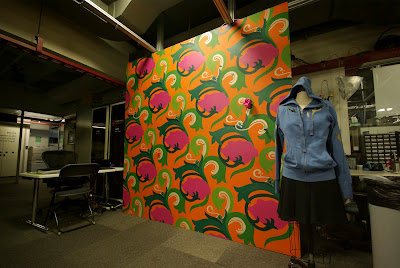
Amarino, das ist der Name des Toolkits, welches ich begonnen habe am Media Lab zu entwickeln und nun im Zuge meiner Diplomarbeit auch weiterentwickle. Die Idee wurde schon während der Bewerbungsphase geboren als ich fieberhaft nach einem guten Konzept gesucht habe, welches sowohl meine Interessen als auch die Interessen der Forschungsgruppe High-Low Tech, für die ich mich beworben habe, deckt. Die Forschungsgruppe High-Low Tech hat sich zum Ziel gesetzt Werkzeuge zu entwickeln und diese unterschiedlichen Zielgruppen wie beispielsweise jungen Menschen, Bastlern aber auch der Wissenschaftsgemeinde zur Verfügung zu stellen um sie im Sinne der Demokratisierung zu motivieren selbst Technologie, im Speziellen im Kontext neuer kultureller Aspekte und Materialien, zu entwickeln. Ich hingegen habe mich verstärkt mit dem Thema mobile Geräte beschäftigt und fand die Fragestellung unheimlich spannend wie sich die Benutzerschnittstellen von mobilen Geräten in Zukunft verändern könnten. Ich schlug nun vor ein Toolkit zu erstellen, welches es anderen Entwicklern ermöglicht auf einfachste Weise neue User Interfaces für Smartphones zu erstellen, mit dem Ziel das Handy mehr und mehr auf natürlichere Art und Weise in unsere Umgebung zu integrieren. Angeregt durch die Aussage von Mark Weiser, dem Begründer des Begriffs des Ubiquitous Computing, „Even the most powerful notebook computer, with access to a worldwide information network, still focuses attention on a single box“ wurde mir klar, dass selbst unsere leistungsstarken Smartphones, oder eher die User, nach wie vor genau mit diesem Problem zu kämpfen haben. Amarino vereinfacht die Entwicklung von elektronischen Geräten, welche mit Smartphones kommunizieren beziehungsweise ermöglicht nahezu Jedermann und Jederfrau neue Benutzerschnittstellen für Handys zu bauen. In Kombination mit den Erkenntnissen der Forschung von High-Low Tech ergeben sich außergewöhnliche Konstellationen in denen das Handy mit Textilien, Farbe oder Wänden kommunizieren kann. Sowohl Szenarien bei denen das Handy Daten an seine Umgebung weiterleitet, als auch Sensoren die Informationen ans Handy übertragen um in der mobilen Datenzentrale visualisiert werden können sind damit denkbar.
Media Lab das ist Forschung auf Höchstniveau, nur wenn es keiner sieht bringt das ja nichts, also muss hergezeigt, publiziert und kommuniziert werden. Für mich hieß es dann sobald ich ein halbwegs funktionierendes Amarino parat hatte, dass ich gleich damit einen Workshop anbiete. Zum Beginn gleich mal für die Media Lab Leute, da kann ich erstes Feedback bekommen und die Daten können für eine Studie auch gleich weiterverwertet werden.
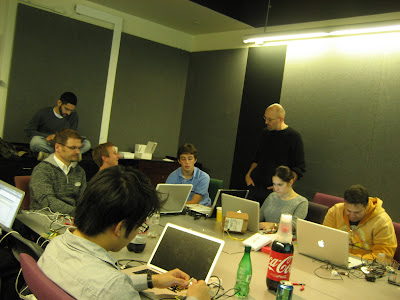
So kam es dann, dass ich am Media Lab meinen ersten Workshop zu Amarino hielt, wie man es verwendet und sowas eben. Der zweite Workshop kam dann schon auf Anfrage. Das Massachusetts General Hospital, oder wie sie in Boston nachvollziehbar verkürzt sagen MGH, hatte Interesse mein Toolkit genauer kennen zu lernen. Gerade im medizinischen Umfeld gibt es massenhaft Szenarien indem beispielsweise ein Diagnosegerät mit einem Handy kommuniziert, doch leider ist die Umsetzung und Entwicklung solcher Geräte sehr kostspielig und wird daher nur selten in die Realität umgesetzt. Amarino kann dabei helfen zumindest einen Prototypen zu entwickeln um solche Ideen grundsätzlich auf Einsatztauglichkeit und Umsetzbarkeit zu testen. Also hielt ich auch dort einen Workshop um die Teilnehmer mit den Funktionen von Amarino vertraut zu machen. Die Vorbereitung eines Workshops nimmt natürlich viel Zeit in Anspruch und hat gerade zum Ende meines Aufenthaltes viel Zeit gekostet. Ich hab dann noch weitere Workshop für Hasbro (Spielehersteller) und Humana (Krankenversicherer) abgehalten. Rückblickend waren diese Workshops sehr wichtig um Erkenntnisse darüber zu erhalten wie unbedarfte User das Toolkit verwenden und auch um zu erfahren was die Teilnehmer für Verbesserungsvorschläge haben oder einfach nur um zu hören welche Projekte sie mit Amarino zu realisieren gedenken. Ich bin überzeugt, dass dieses Feedback eine wichtige Rolle spielt wenn man ein Werkzeug für andere entwickeln möchte. Die Rückmeldungen haben mich bestärkt weiterhin großes Augenmerk auf Dokumentation sowie Beispiele zu legen.
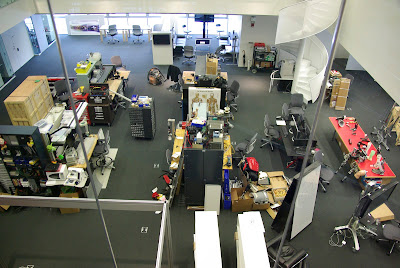
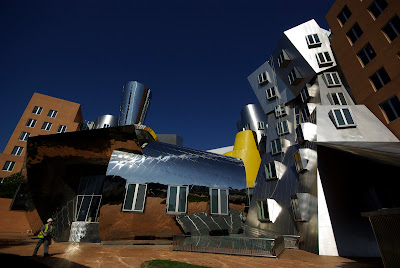
Abschließend kann ich resümieren, dass ich mit dem Praxissemester voll ins Schwarze getroffen habe. Mein Studium wurde dabei durch eine unschätzbar wertvolle Erfahrung bereichert. Sowohl was persönliche Horizonterweiterung angeht als auch fachliche und strukturelle Einblicke in eine Forschungseinrichtung der Spitzenklasse.
Wer jetzt noch mehr wissen will kann gerne weitere Bilder und mehrere Kurzgeschichten auf meinem Blog nachlesen.
Bonifaz
zp8497586rq
 Kapsch TrafficCom AG